The Changing Scenario of Marriage in India : A Sociological Analysis


Dr. Priyanka N. Ruwali (Assistant Professor, Deptt. Of Sociology, DSB Campus Kumaun University Nainital, email: krisnakiran14@gmail.com)

Social change is a natural phenomenon. New conditions emerge and to meet new challenges a society adopts, adjusts and changes. After 67 years of independence, we cannot expect Indian society to remain static and completely traditional. Among the institutions that have shaped human civilization, marriage and family occupies a vital position. These together not only form the cradle of our future society, but also the hub of social life for the people. Like other institutions of the society, marriage also has been undergoing a gradual transformation and adjustment in different situations and epochs of history. The story of change in modern India begins particularly, with the advent of British colonial rule.

Later on the advent of Western education, the process of urbanization, modernization and industrialization accelerated these changes. The rural and normative guidelines regulating marriage are also bound to change to meet new demands and expectations. Simultaneously many factors- legalistic, political, socio-economic and cultural also have cumulative impact upon the institution of marriage of urban family. The present study aims at knowing the continuity and change in marriage in urban society of India. The present study is an attempt to understand and analyze the impact of urbanization on marriage. The study focuses on the process of changes, which are taking place in sacramental Hindu marriage system. This is a secondary data base study.


Marriage is conceived differently by social scientists in different fields while the popular concept of marriage is that it is a union between a man and a woman. Anthropologists like Lowie, Murdock and Westermark emphasize on social sanction in the union and how it is accomplished by different rituals and ceremonies. Sociologists like Blood, Lantz and Snyder, Bowman, Baber Burgess etc, view it as a system of roles and as involving primary relationships. Indologists look upon Hindu marriage as a sanskara or a dharma. The generally acceptable definition among British social anthropologists was proposed in a volume entitled ‘notes and queries in anthropology’ according which “Marriage is a union between a man and a woman such that children born to the woman are the recognized legitimate offsprings of both partners”. The definition of marriage proposed by Westermark, Malinowski and Red-cliff Brown centre on ‘The principle of legitimacy’.

Red-cliff Brown writes: “Marriage is a social arrangement by which a child is given a legitimate position in the society, determined by parenthood in the social sense”. Westermark defines marriage as “a relation of one or more men to one or more women which is recognised by custom or law; and involves certain rights and duties both in the case of the parties entering the union and in the case of the children born of it”. According to him marriage is “more or less durable connection between male and female, lasting beyond the mere act of propagation till after the birth of offspring”. Gough made a brave attempt to put forward her own definition of marriage taking into account a wide diversity of different cultural patterns. To her “Marriage is a relationship established between a woman and one or more other persons, which provides that a child born to the woman under circumstances not prohibited by the rules of the relationship, is accorded full birth-status rights common to normal members of his society or social stratum”.

Rivere proposes that marriage be studied as, “one of the socially approved and recognized relationship between the conceptual role of male and females. This relationship will reflect aspects of the particular society’s conventional ideas about the two categories and it will be possible to define it by opposing it to other possible male-female relationships which exist in the society”. G.P. Murdock has suggested that marriage exists only when the economic and the sexual functions are united into one relationship. In all societies said Murdock, “Marriage involves residential co-habitation and in all of them it forms the basis of the nuclear family”.

The social anthropologists of the western societies have highlighted the importance of personal relationship between man and woman in the capacity of husband and wife. It is because of the fact that greater importance is given to individual in these societies. In the Indian society, on the other hand greater importance is given to religious and socio-cultural obligations, and individuals’ personal happiness or his/her personal liking and disliking get least importance.

Traditional Hindu marriage is viewed as a sacrament as discussed by Prabhu (1961), Kapadia (1966), Chatterjee (1972) and Shastri (1972). P.N. Prabhu on the basis of ancient Hindu literature says, “Among the Hindus’ vivah is generally considered as obligatory for every person, because in the first place, the birth of a son is said to enable one to obtain moksha i.e. the ultimate aim of Hindu life”. Manu considers marriage as a social institution for the regulation of proper relations between the sexes. Kapadia considers Hindu marriage a sacrament in the sense that it is irrevocable and indissoluble.

According to the traditional Hindu concept of marriage, Kapadia was of the opinion that marriage is a social duty towards the family and the community, and there was little idea of individual interest. The traditional Hindu concept of marriage enables one to fulfil dharma (sociocultural and spiritual obligations towards the family, community and society), praja (progeny as social obligation towards society) and rati (pleasure as individual sexual gratification).


Marriage being mainly performed for dharmna and not for pleasure, it was considered a sacrament among Hindus. Several reasons may be given for considering the Hindu marriage sacred: (i) dharma (fulfilment of religious duties) was the highest aim of marriage; (ii) performance of the religious ceremony included certain rights like havan, kanyadan, panigrahan, saptapadi, etc., which being based on the sacred formula, were considered sacred; (iii) the rights were performed before agni (the most sacred God) by reciting mantras (passages) from Vedas (the most sacred scriptures) by a Brahmin (the most sacred person on earth); (iv) the union was considered indissoluble and irrevocable and husband and wife were bound to each other not only until death but even after the death; (v) though a man performed several sacraments during the course of his life, a woman performed only one sacrament of marriage in her life, hence it’s greatest importance for her; (vi) emphasis was on chastity of a woman and the faithfulness of a man; and (vii) marriage was considered to be a ‘social duty’ towards the family and the community and there was little idea of individual interest and aspiration.

Hindu marriage is not only a sexual contact, a pattern of marriage like in other societies, but it is a religious sanskara essential for each Hindu. According to the sacramental concept of Hindu marriage, the principle of familism is supreme and primary and must be followed while the individuals’ interest, needs and happiness are considered secondary to the interest of the family and community as a whole. Irawati Karve also observed the same “In India marriage is a sacrament and no normal man or woman must die without receiving this sacrament” and “for this reason, Hindu parents have always considered the marriage of their children one of their most sacred duties”. This Hindu attitude towards marriage has been from the ancient Vedic times when it was regarded as a social and religious duty and it is looked upon as a sacrament even today. In this way, Hindu marriage can be defined as a religious sacrament, in which a man and woman are bound in permanent relationship for the physical, social and spiritual purposes of dharma, procreation and sexual pleasure. In ancient texts, the union of male and female have been emphasized through several myths and symbols.

The marriage which institutionalized this union was considered as a social obligation and a medium to attain moksha. In vedic period it was regarded as a sacrifice, and unless one entered into married life he was supposed to be “one without sacrifice”, a contemptuous remark for Vedic Hindus. Manu points out that “to be mothers were women created and to be fathers men; the Vedas ordain that dharma must be practised by man together with his wife. In the Hindu society in the early period, eight modes of acquiring a wife were referred to, of which four were considered proper and desirable (dharmya) which had the approval of the father/family, and four were regarded as undesirable (adharmya) which did not have the approval of the father. The proper marriages recognised by the Smritis were Brahma, Daiva, Arsha, and Prajapatya while the four undesirable marriages were Asura, Gandharva, Rakshasa, and Paishacha.

The field of marriage among the Hindus is restricted by endogamous and exogamous rules. The endogamous rule of Hindu marriage allows a person to marry only within caste. It does not talk of intercaste marriage on the other hand the rule of exogamy prescribes that a person cannot marry within his own gotra, pravar and sapinda. The gotra exogamy prohibits marriage between members of the same gotra; pravar exogamy prohibits marriage between members of the same praver and the sapind exogamy prohibits marriage between persons related to each other within certain generations on the father’s and mother’s side. In vedic period the bride and the groom were grown up persons, qualified to give consent, but later on the marriageable age of the bride fell lower and lower in the dharma shashtra period. These dharma sutras prescribed that a girl should be married before she attains her puberty.

The later smritis presents five categories of marriageable girls, namely nagnika (explained as naked), gauri (eight years old), rohini (nine years old), kanya (ten years old) and the rajaswala (one who has reached on puberty) and among these nagnika was regarded as the best for marriages. P.H. Prabhu writes, “Most particular care, however, has to be taken to perform the vivah of maidens as soon as they attain the marriageable age. A girl who continues to stay in her father’s home more than three years after attaining puberty is called a vrishala or a shudra i.e. a very low type, and the father or other guardians of such a girl who is not careful enough to give her in marriage in proper time is said to be incurring a great sin”.


During the last few decades the idea of marriage as a sacrament has weaken and the trend of the “personal concept of marriage” is gaining ground. Young people today marry not for performing religious duties but for companionship, and the marital relations are no longer suppose to be unbreakable, as divorce is socially and legally permissible. A democratic country, modern India, has been affected in different aspects, through the process of industrialization and marriage is one among them though not with a revolutionary change.

Traditional India, as has been stated stressed over child marriage with certain limitations, while today parents first provides them education knowing it as essential and then for a suitable spouse the search starts. Traditional pattern of marriage, laid down by dhrmashashtra, followed the restrictions firmly, and people did not allow their children to go against these rules, regulations and limitations. Modern trend has also affected marriage pattern “but it is difficult for them (Hindu parents) to accept the new marriage patterns, which are more appropriate for an industrial than an agricultural society, such as: the right of men and women to chose their own mates the new emphasis on romantic love, and perhaps most difficult of all, the breaking down of cast endogamy”.

The number of such people who believe in the concept that marriage is a sacrament solemnized primarily for the fulfilment of one’s religious and social duties and for the good of the family is decreasing on the other hand, the number of such people who believe that marriage is a social contract which is entered into primarily for the good of the individual and for his or her personal happiness and satisfaction is found to be increasing. This trend of emphasizing the “personal concept of marriage” and weakening the idea of sacrament started from the third decade of the 20th century as is revealed by the studies carried out at that time and is gaining ground among the urban families (Merchant).


In Merchant’s study, on an average, the young educated woman favoured marriage at the age of 19.7 years. In 1959, during the first phase of the author’s study- the majority of the educated working women thought that the most suitable age for a girl to get married was between 20 or 24 years, whereas- the second phase of the same study the corresponding figures were 18 and 22. Ross (1961) found that in her sample, consisting primarily of the educated Brahmin families living in Bangalore, none of the unmarried women wanted to be married before the age of nineteen.

There was a direct relationship in Gore’s study between the education of the respondent and the age of marriage given for boys and girls- the more educated respondents tended to suggest higher ages. The university students in Matthew’s study regarded any age between 22 and 24 as the most suitable for a woman to marry. Ghurye had suggested that the average age of female at marriage should be about 22 years and in the case of male, it should not be above 25 years. the young educated urban women’s expectations from marriage are gaining new dimensions more of these women now expect marriage to meet, not only their basic needs, but also all the other needs of their lives- resolution of their psychological and emotional problems, possession, of husbands, home, and children, companionship, love, sentiments, interests, values, understanding, social life and intellectual. Expectations of satisfaction of their individual needs and of personal happiness from marriage are mounting. Another indication of their multiple expectations from marriage is seen in the analysis of their various desires and aspirations with regard to the type of husband they would like to have. More and more educated women want to have a mate who is economically well placed, educated, intelligent, liberal, affectionate and understanding.


According to the traditional Hindu concept, marriage was an alliance between two families rather than two young people, entered into primarily for the welfare of the family. As such, in traditional Hindu families, marriages of children were arranged by their parents who were morally obliged to find mates for their children who in turn were obliged to accept their parents’ choice. Since marriage was arranged by the families, without or with merely formal consent of the prospective mates, and since their individual interests were subordinate to the family ends, love was not a necessary basis for mate selection.

Love between husband and wife was supposed to be the result of marriage rather than a prelude to it. There was hardly any freedom of choice in the selection of mates. Now the attitude begins to change with regard to the type of marriage and the procedure of mate selection. Yogendra Singh has indicated that in mate selection, the principle of personal choice especially in urban families is today increasingly reconciled with parents’ approval. The number of love marriages and marriages by choice are increasing.

Margaret Cormack’s study in 1959 of 500 students from different states and the union territory of Delhi revealed that in 92% cases, ego’s parents’ marriage was arranged by their parents while only in 8% cases it was a self arranged marriage. Since last three to four decades, however, we find that parents have stated consulting their children in mate selection. Initially they consulted only sons but later on even daughters also came to be consulted. It could thus be said that change in the process of mate selection is from ‘parental’ to ‘joint selection’. Children do not want complete freedom of selecting the partners by themselves. They want that parents and children should jointly select the partners.

B.V. Shah’s study (1964) of 200 students of Baroda University showed that 66.5% students wanted to select their brides in consultation with their parents, 32.5% wanted to give more importance to their own voice and only 1.0% percent would go exclusively by parents’ choice.
In Gore’s study of the Aggarwal families of Delhi, who were supposed to be quite orthodox and traditional, 42% of the respondents were found to hold the view that while marriage should be arranged by the elders, the parties to the marriage should also be consulted. His data clearly bring out a relationship between the levels education and the preference for consultation of the boy and girl in the choice of spouse in arranging the marriage – the more educated a woman is, the more likely she is to consider it important that the boy or girl concerned be consulted regarding marriage.

In the Kapur’s study of “the changing attitudes of the educated working women”, it was found that even within ten years- the time after which the author had studied the attitudes again- the number of such women who preferred arranged marriage but the whole hearted consent of the marriage partners had increased. At the same time, the number of those women who preferred love marriage with the whole hearted consent of the parents had also increased. Educated working women were found, in increasing numbers, to disapprove of “purely arranged marriages”, as well as of “purely love marriages”. More of them are now approving of the “Modern type of arranged marriages” and the “rational type of love marriages”.

The study shows their increasing preference for a sort of quasi-traditional kind of marriage and mate selection where the willing consent of the prospective marriage partners and parents is considered desirable, weather the marriage is “arranged or love”.
The traditional Hindu marriage pattern is endogamous, involving persons of the same cast or subcast, the same province, and the same religion. The attitudes of the people are changing in this respect, and more and more of them are now approving of, and entering into, inter-cast, inter-provincial and even inter-faith marriages.

Kapadia in his study of 513 university graduates in early 1950s found that 51% were willing to marry their children outside their own cast. And only one-third were against this departure from the custom. Narmadeshwar Prasad in his study in Bihar in 1954 found the favourable tendency towards inter-cast marriage in the rural as well as in the urban industrial areas. He studied five casts-Brahmin, Rajput, Ahir, Dhobi and Chamar- and found that higher casts-brahmin and rajput- in the rural areas did not like this idea but in the urban industrial area, 85% people in each cast were in favour of intercast marriage. Ghuriye also maintained that whereas formerly marriage outside one’s cast was not to be even thought of, today many educated young men and women are prepared to break through the bonds of cast if mutual love and attraction demands it. Marriage in the traditional Hindu society regarded essentially as dharmic (religious), is gradually becoming secularized in the modern era.

The trend is towards making it consensual. Till the middle of the 1950s the Hindu law did not permit divorce, it was nearly five decades ago that our law-makers swung Hindu society from the rigidly reactionary position of “sacramental marriage” to the acutely modern notion of “divorce by mutual consent. Kapadia in his study of 240 graduate teachers in 1951 found that about 50% of his respondents considered divorce desirable, about 25% considered it undesirable, and 17% described it as harmful and undesirable. Kuppuswamy, in his study of 895 persons in South India found that there is more or less uniform response in favour of divorce irrespective of the age, sex, rural or urban residence, or literacy of the respondents.


In Hindu tradition in all times widow remarriages have never been given due recognition and are mostly snarled at as such marriages lack their sacramental character. Manu has stressed “A true wife must preserve her chastity as much after as before her husband’s death”. Vatsyayana is of the view that having sex relations with a widow is akin to prostitution. This pitiable situation is further re-in forced when Manu and Yajnavlkya pointed out that a widow should not mention even the name of another man after her husband’s death. Thus widow remarriage was strictly prohibited in ancient time. At present attitudes towards widow remarriage is gradually changing. Gore, in his study has found that “widow remarriage is an area where most respondents seem willing to break with tradition in permitting a widow to remarry”.


With the advent of modernization, industrialization and urbanization, traditional outlook took a backseat in the society. Traditional marriage is now considered as a loss of individuality, loss of privacy, lack of freedom, lack of individual growth, lack of social and sexual variety, dissatisfaction with spouse, sexual frustration, problem with in-laws etc. All these factors have lead to a change in the form and purposes of marriage. At present the new trend of live-in-relationship is emerging in urban Indian society. Live-in-relationship or cohabitation is an arrangement where two people, who are not married, live together in an intimate relationship, particularly an emotionally or sexually intimate one, on a long term or permanent basis. Today individuals have become career oriented. Women are going out for work. This is preventing them to go into the bonds of married life that is full of responsibility. Economic independence of people in urban society also paves way to live-in relations as these people don’t want interference in their personal life. These days’ young men and women are getting opportunity to know and spend time with each other. This enhances the chances of getting into live-in relationship.

Many people believe that live-in relationship is a good way to test their relationship before marriage. Besides there are many other alternative forms of marriages are emerging as- the intrinsic marriage, utilitarian marriage, open marriage, two step marriage/multi step marriage, temporary marriage, group marriage, consensual marriage, covenant marriage, commuter marriage, swinging and sexually open marriage. If an analysis is made of need of such relationship, avoiding responsibility would emerge as the prime reason. The lack of commitment, the disrespect for social bonds and the zero tolerance power in relationship have given rise to find these various alternatives to marriage.
The processes of educational and urban development have, no doubt, created new situations and problems and have upset certain traditional mores and values. Yet the marriage institution continues to be the core of Indian society and has not experienced a general disintegration.

References:

1. Notes and Queries In Anthropology, 1951. Royal Anthropological Institute, 6th Ed., As Quoted By Leach, E.R. In Jack Goode (Ed) “Kinship”, Harmondsworth, London, 1971, P.151.

2. Redcliff-Brown, A.R. And Forde, Daryll (Eds) “African Systems Of Kinship And Marriage”, Oxford University Press, 1975, P 5.

3. Westermark, E., “The Future of Marriage in Western Civilization”, London, Macmillan, 1936.

4. Gough, E. Kathleen, “The Nayars and the Definition of Marriage” Journal of the Royal Anthropological Institute, 1959, Vol-89, P 23-34.

5. Rivere, P.G., “Marriage:A Reassessment In Rodney Needham”, (Ed) Rethinking Anthropology, Tavistock Publications, London, 1971, P 66.

6. Murdock, G.P., “Social Structure”, Collier Macmillan, New York, 1949, P 8.

7. Prabhu, P.N., “Hindu Social Organization”, Popular Prakashan, Bombay 1961, P 148-149.

8. Pandya, P.H., (Ed) Manusmriti, 1913, IX, 25, As Quoted By Prabhu, Ibid P 149.

9. Kapadia, K.M., “Marriage and Family In India”, Oxford University Press, Bombay, 1966, P 168.

10. Karve, Irawati, “Kinship Organization in India”, Poona Decan College Post Graduate And Research Institute Monograph, 1965.
Social And Economic Determinants Of Migration And Economic Development Of Uttarakhand : With Special Reference To Kumaun Region

Authors: 
Mukesh Singh Negi (Research Department of Economics, Kumaun University, Nainital) and Dr. Padam.S.Bisht (Professor, Department of Economics, Kumaun University, Nainital)

Migration is the movement of people between regions/countries. It is the process of changing one’s place of residence to another place and permanently living in a different region or country. As migration has its impact on various aspects of rural areas of Kumaun region, this paper makes an attempt to draw attention on migration from rural areas of the Kumaun region. The reasons of the migration from hill areas to cities is closely related to regional backwardness, small landholding size, unemployment, under-employment and high natural growth of rural population.

People have always moved in search of work, in response to environmental shocks and stress etc. In Uttarakhand, rural to rural migration was highest in 2001, accounting for 54.7% of total domestic migration. Rural to urban migration has gradually increased from 21.1% to 32% in 2011. As per census 2011 of Uttarakhand, 1053 villages have no inhabitants and another 405 villages have a population less than 10. Out of these, 60% villages are in the Kumaun region. The number of such villages have risen particularly after the earthquakes and flash floods due to heavy rainfall in the last 4 years.

Migration is not new to Kumaun region, but the data of census 2011 and some other recent reports show that the rate of migration from hilly areas of Kumaun region has increased after 2000. Kumaun region has witnessed a spurt in migration from hills to plains over the past 5 years. Due to this heavy migration, the population of the plains of Kumaun region has increased by 30%. The fact is that, migration has lead to a negative growth rate of population in Almora district.

Almora district has been worst hit by the migration as educated people are migrating in search of better jobs and education for their children. This has lead to  complete abandonment of villages leading to degradation of farming land and making the villages inhabitable. The problem of ever increasing migration from the hill rural areas has always posed a serious concern for the economy of these districts. The major cause of migration is the lack of government initiatives to provide self-employment opportunities, failure to promote tourism and agriculture in hilly area of the kumaun region.

The main factors which influence migration can be categorized into two broad categories: Push factors and Pull factors. Push factors are those forces which compel an individual to migrate, while pull factors are those foreign forces which compel an individual to migrate. Typically, push factors have induced migration in the Kumaun region due to lack of livelihood opportunities locally, whereas pull factors have induced migration due to greater availability of livelihood opportunities elsewhere.

Objectives of the Study:

• To study the pattern of economic growth and development of Uttarakhand with special reference to Kumaun division.

• To study the causes and impact of migration in Kumaun division.

Data Sources And Methodology: To answer the above research question methodologically, the study is done in following stages. First it starts with a brief introduction of Migration, second it analyses the economy of Uttarakhand and study area, third it analyses the various social and economic determinants of migration. The study uses secondary data from a variety of sources.


Economy of Uttarakhand:

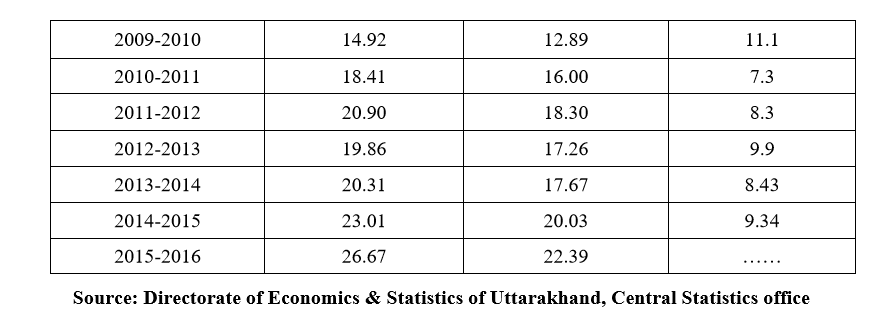
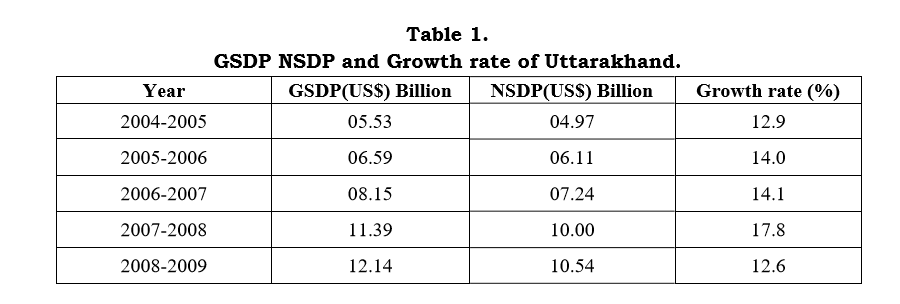
The State of Uttarakhand is the third fastest growing state in India, its gross state domestic product (GSDP) at content price more than doubled from 24,786 cr. Rupees in FY 2005 to 60,898 cr. Rupees in FY 2012, the real GSDP grew at 13.7% (CAGR) during the FY 2005-FY2012 period . The contribution of service sector to the GSDP of Uttarakhand was just over 50% during FY 2012, per capita income in Uttarakhand is 1,03,000 rupees on FY 2013 which is higher than the national average of 74,920 in FY 2013, according to the reserve bank of India, the total foreign direct investment in the state from April 2000 to October 2009 amounted to $ 46.7 million. Like most of India, agriculture is one of the most significant sectors of the economy of Uttarakhand.

Basmati rice, wheat, soybeans, groundnuts, coarse cereals, pulses and oil seeds are the most widely grown crops, fruits like apples, oranges, pears, litchis, and plums are widely grown and important to the large food processing industry, agricultural export zones have been set up in the state for leechi horticulture, herbs, medicinal plants and basmati rice, during 2010, wheat production was 831 thousand tonnes and rice production was 610 thousand tonnes while the main cash crop of the state, sugarcane had a production of 5058 thousand tonnes as 86% of the state consists of hills, the yield per hectare is not very high 86% if all croplands are in the plains while the remaining is from hills.

Study Area:
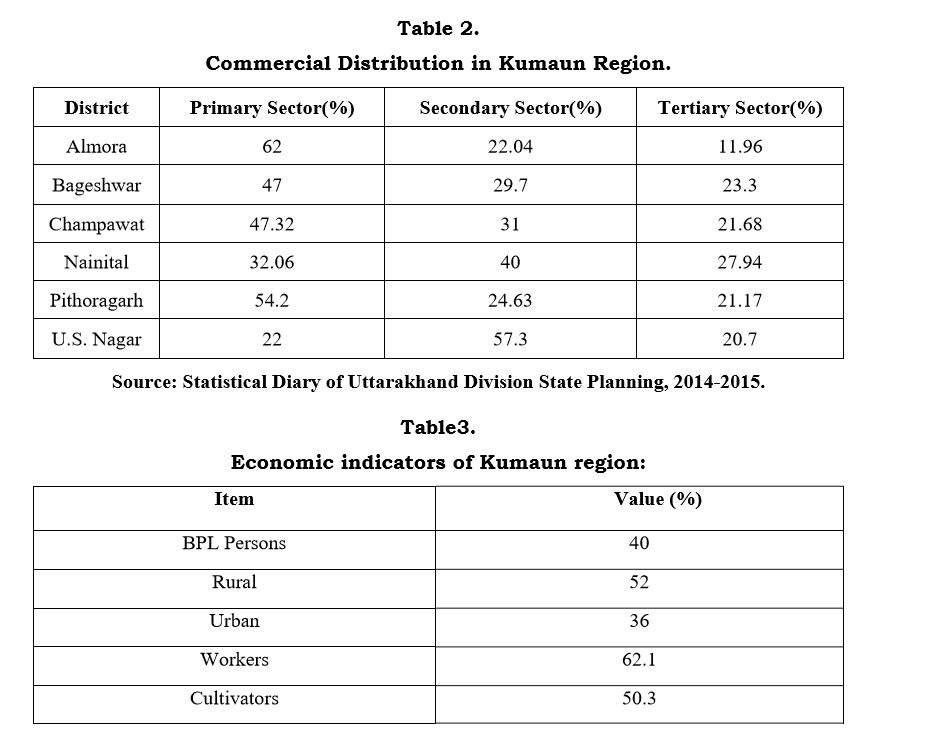
Kumaun region faces significant challenges of combining its rapid economic growth with special equity and environmental sustainability. Kumaun region has an agricultural  economy on its mountain region and dynamic industrial development in the plains. Agriculture has to be among the top contributors of revenue in Kumaun region. 60% of the village population of Kumaun region depends on agriculture.

The occupational distribution of workers is the most important determinant of social, economic, as well as environmental development of Kumaun region. The larger part of the Kumaun region is characterized by a difficult terrain, undoubting topography, remote and inaccessible villages, spare population, tiny land holders, agriculture based economy and weak infrastructure in hill areas. Though, the region is rich in beauty and natural resources, improper use of these resources and rapidly growing population has thwarted its development and consequently the Kumaun region is technically backwards and economically poor.


The economic development of any area is best reflected in infrastructure facilities. A good infrastructure can be achieved by investment in basics amenities like roads, power, water health and communications. The infrastructural development of Kumaun region has been of the important component of development planning but so far, it has been poor. A serious efforts is needed to ensure their facilities to promote economic development. Agricultural development is the most important challenges in kumaun region, because it provides livelihood security to the major proportion of population in rural areas. Only 14% of the total areas of Kumaun region is under cultivation. Kumaun region has a vast investment potential area like tourism, agriculture, forestry, pharmaceutical sector industries.


Industries of any state forms the basics of economic stand of the state. An industry of one state helps the government to compete with other state. Industries are playing a significant role in the state of Uttarakhand, especially in Kumaun region.


Important factors in the development of industries in the Kumaun region are:

• Availibility of raw materials.

• Availability of cheap labour.

• Transport facility.


The industrial set up is restricted only to plains of Kumaun region and hills do not get any special industries.  The state industrial development corporation of Uttarakhand limited has developed many industrial estate and thus helping industries for further development. SIDCUL is a multi-purpose industrial promotion which helps the infrastructural development in Kumaun region.

Major industries of Kumaun region are:

• Tourism industry

• Food processing industry.

• Handloom, Handicrafts, Wool based industry.

• Horticulture industry etc.


Some of the major projects of SIDCUL in Kumaun region includes the integrated industrial estate at Panthnagar, the integrated estate at Sitarganj and others. As the Kumaun region is home to speculator land forms, lakes, temples and mesmerizing scenarios, tourism is by far the most successful industry of the Hilly Kumaun region. The tourism industry, however still lags behind its counterparts because of lack of facilities provided,  infrastructure and negligence of the state government.


The government of Uttarakhand has not given the proper boost to the development of tourism in the Kumaun region. In the region, the main source of livelihood is agriculture, tourism,small scale and heavy industries. Due to lack of development, it is unfortunate that large number of people from hill areas are struggling for even the basic needs. The main cause of deep-rooted poverty and unemployment in Kumaun region is  the lack of availability of adequate easy and timely finance. The maximum number of workers depends on MGNERGA for employment in the rural Kumaun region.

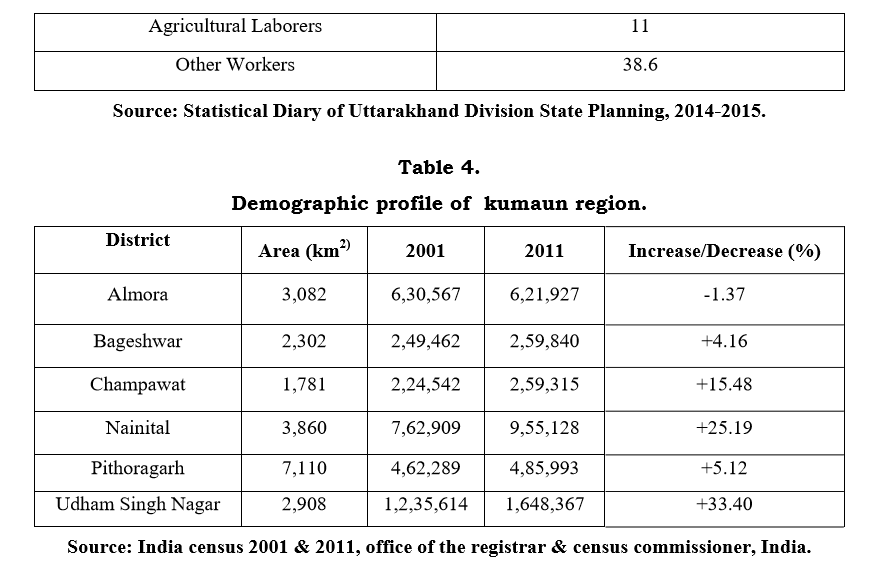
This table shows the distribution of population in Kumaun region in different districts. All the districts have positive increase in decadal growth rate in population except Almora which shows decline in population. It is clear from table that Nainital & U.S. Nagar district shows a huge decadal growth rate in population. This is mainly due to the huge migration from other districts of Kumaun region, because the main reason behind this is the lack of economy and Job opportunities.

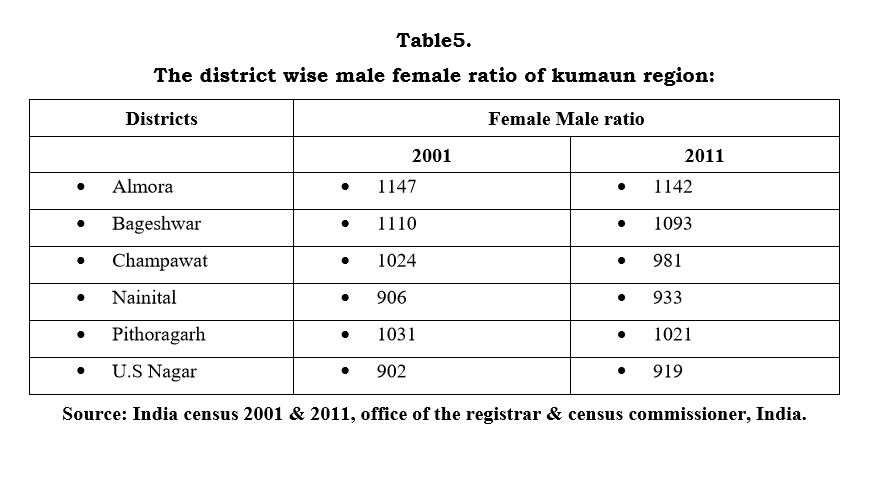
The above table reveals that the sex ratio has decreased in all the hill districts and increased in the plains of the Kumaun region. Champawat district shows a higher decline in the sex ratio as compared to the other districts. The main reason behind is the social factor.

Why people migrate to urban areas from rural areas:
To make the economy of Uttarakhand strong, we need to arrest migration and for that protest marches against the Govt. negligence should be held. Public seminars should be organized and bill drafted to keep the hills of Uttarakhand from losing their inhabitants. The government should itself make some policies to develop the hilly districts of Uttarakhand, so that the people no longer feel the need to migrate.
Uttarakhand has witnessed a high rate of economic growth since its formation but this growth rate is only lopsided growth. The economic prosperity has largely been limited to three districts in the plains, the hills are contributing the most to the migrant labor force, and so to develop Uttarakhand we should remove the problem of regional imbalances.
There are five factors which determine the push and pull conditions operating in the decisions of people to migrate from hills to plains in kumaun region: 
Economic factors:
The poor economic conditions and lack of employment opportunities in villages of Kumaun region are the main push factors that drift the rural population to the plains of Kumaun. The hill areas of Kumaun region are less developed, have poor agriculture conditions and grater population pressure on land, push the population to plains. Income in agriculture is lower than other sectors. Migration in Kumaun region is largely due to poverty and lack of economic opportunities in villages is more significant than others. The migration to plains is not only due to lack of economic opportunities but also because of several other factors including educational and health services, higher wages and better standard of living available in cities. 

Demographic factors:
It is also a major factor of migration from rural Kumaun to plains. Generally, there is higher fertility rate and natural population growth in rural areas as compare to plains of Kumaun.

Social and cultural factors:
Social and cultural factors also play a great role in migration. In rural areas of Kumaun region, traditional values are much stronger than plains. On the contrary, in plains the people enjoy much greater freedom and have liberty. The modern and western values are highly attractive to the youth. Therefore, this class of population is more motivated to plains.

Geographical and physical factors: Physical conditions, distances, climate and natural environment and natural calamities like floods, earthquakes, droughts and tempests have also been major factors which push the rural population of Kumaun region to plains.

Political and institutional factors:
The state policy of Uttarakhand regarding to migration have played a crucial role in the transfer of population from rural to urban.

Major causes of migration in Kumaun region:
Migration is caused by a variety of factors in Kumaun region. Some of the factors are briefly described below:

Barren Landholdings:
Landholdings in Kumaun region are typically small and segmented. According to the Watershed Management Directorate of the Kumaun division, the average landholding in the division is about 0.68 ha, which is divided into several patches. This is much smaller than the national average of 1.16 ha per farmer. This means villages that have witnessed migration in the recent past now have to deal with several plots of untended land interspersed with active farmland

Political and institutional factors:
The state policy of Uttarakhand regarding to migration have played a crucial role in the transfer of population from rural to urban.

Major causes of migration in Kumaun region:


Migration is caused by a variety of factors in the Kumaun region. Some of the factors are briefly described below:

Depleting Water Level
Depletion in the water level of the Kumaun region is also linked to migration. It is interesting to note that the three districts that have registered the highest migration rates are also the districts that have witnessed maximum depletion in water sources. Earlier, there was no shortage of water but of late there has been a seasonal shortage even in drinking water, let alone water for irrigation.

Employment:
People migrate in large number from rural to plains in search of employment. The agricultural base of rural economy in Kumaun region does not provide employment to all the people living there. Even the small-scale and cottage industries of the villages fail to provide to the entire rural folk of Kumaun region.

Education:
Rural areas of Kumaun region, by large, lack educational facilities like those of higher education and rural people have to migrate to plain centers for this purpose.

Apart from these causes there are so many other reasons which force the people to migrate. These include lack of security, health services, infrastructure and others.

Conclusion and suggestions:


Long awaited development in the hill districts of Kumaun region has pushed backward the development of these districts relatively to the other plain districts of Kumaun region. This has resulted in the persistent migrations of the major workforce from these districts which largely constitutes the male youths of these regions. This has put pressure on the economy of these districts.

We see that the Kumaun is primarily dependent on agriculture, but there are many industries, which contribute to the economy. All the major industries were established in the plains areas in the Kumaun region. We see in this paper that as 86% of the state consists of hills region in Kumaun area and only some of agriculture products like wheat, rice and potato are the key products of Uttarakhand. Agriculture has to be among the top contributors of revenue in Kumaun region from tabulation in this paper, but only some of the products are involved in agriculture. This means villages that have witnessed migration in the recent past now have to deal with several plots of untended land interspersed with active farmland.

Migration in India as well as Uttarakhand, especially in Kumaun region is a historical and present phenomenon. The major cause of migration is lack of government initiative to provide self-employment opportunities, failure to promote tourism and agriculture in hilly areas of Kumaun region. Migration to cities has recorded to highest in Kumaun regions to benefit from greater economic opportunities.

It is suggested that:
• The state govt. must focus for the development of agriculture and there should be a provision for the establishment of industries in the hill districts of Kumaun region, which will create employment opportunities in hill areas.

• The govt. should develop the higher education institutions, health care facilities etc. in the hill districts of Kumaun division.

• The geographical and physical factor is also a major factor of migration. The state government should raise the funds for these areas to develop better infrastructure.


Conclusion and suggestions:
Long awaited development in the hill districts of Kumaun region has pushed backward the development of these districts relatively to the other plain districts of Kumaun region. This has resulted in the persistent migrations of the major workforce from these districts which largely constitutes the male youths of these regions. This has put pressure on the economy of these districts. We see that the Kumaun is primarily depends upon agriculture, but there are many industries, which contribute in the economy, we know that the all these industries were established in plain areas or we can say in plains areas in the Kumaun region. We see in this paper that as 86% o the state consists of hills region in Kumaun area and only some of agriculture products like wheat, rice and potato are the key products of Uttarakhand. We know that agriculture has to be among the top contributors of revenue in Kumaun region from tabulation in this paper, but only some of the products are involve in agriculture. This means villages that have witnessed migration in the recent past now have to deal with several plots of untended land interspersed with active farmland.

References

1. Deshigkar, P (2009), Human Development Research Paper, Uttarakhand. 22-23 2.

2. Mehta, M (2008), gender assessment of kumaun region live hoods. Pp. 71-78.

3. Singh Shobhan, (2009), industrial development of backward areas of kumaun region, Himalayan Publishing House, pp.131-132.

4. Data, S.k, (2014) Uttarakhand, vision and action Programme, concept publishing company, New Delhi, pp. 82-87.

5. A new era of economic development – Uttarakhand : the next destination (2013).

6. Bisht sonali, (2015), concerns & challenges in Kumaun Region, Trishual Publication dehradhun, pp. 17-21.

7. http://www.sidcul.com/sidculwel/home.aspk.

8. http://gov.uk.nic.in/annual=districts=plan/mainpage.

9. Centre for development studies (2001-2002), (2012-2013) internal and regional disparities in India; Delhi Centre for development studies.

10. Statistical diary of uttarakhand division state planning (2014-15)

11. India census 2001& 2011, office of the registrar and census commissioner.

Pratap Bhaiya: A Man Before His Time

Author: Utkersh Bora

“They alone live who live for others, the rest are more dead than alive”

-Swami Vivekananda

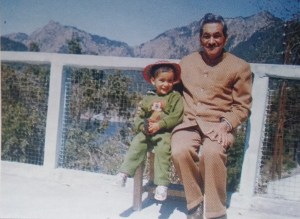
There are very few people who selflessly work for the betterment of the Society as a whole. They just step aside to undertake and accomplish the gigantic and mountainous task of changing the society all by themselves; neglecting all the thoughts and notions to gain fame or money. Hon’ble Shri Pratap Bhaiya was one such a great man. The journey of our lives covered by our Grandson-Grandfather relationship is too long to admit of adequate coverage through the present opportunity. I would, therefore, restrict myself to some remarkable memories I have from the time we spent together.

Those who knew him or participated in the meetings and forums he organized know what a punctual man he was. I remember he used to tell me, “समय के इतने पाबंद रहो कि  लोग तुम्हे रास्ते में देखकर अपने हाथ की घड़ी का समय मिलाएं “. I don’t remember sleeping after or waking up before him. Whenever I saw him, he was up and working. No matter whether it was cold, raining or very sunny outside, He’d always be on schedule. There are instances when he’d start a program without the chief-guests and those when he asked other people to preside on the chief-guests’ seats as the designated person couldn’t reach the venue on time.

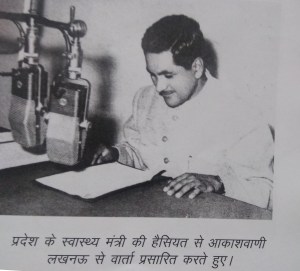
When he was the leader of the student union of Lucknow University, He got in touch with Acharya Narendra Dev; then Vice-Chancellor of Lucknow University, and was deeply influenced by his ideology. The name “Pratap Bhai” was first given by Acharya Narendra Dev and he has been known as “Pratap Bhaiya” ever since. At the age of 25, he became a minister in the Charan Singh-led government in 1967 and was even referred to as modern day’s Malviya for setting up more than 100 schools including Bhartiya Shaheed Sainik School in Nainital (established in 1964 after Indo-China War of 1962) and Tharu Inter College in Khatima. He is also remembered for the establishment of a nurses training center at Nainital, government hospitals in Okhalkanda and Haldwani, and also as the founder Member of the renowned NGO ‘Aarohi’.

All this was before I set foot in this world and so I couldn’t witness these changes happening. However, one such contribution I did observe was his commitment to erase Casteism in the society. He had given up using his own surname ‘Pratap Singh Bora’ and instead used ‘Pratap Bhaiya’ to promote equality of all Castes. This ideology was implemented in various Schools he started and the students’ surname was not used in any of the school registers. However, with the recent orders from the Education Department, this practice had to be given up as Caste now plays a major role in every field of the society: Jobs, politics and even for examination purposes.

This slideshow requires JavaScript.

Being a Socialist, he always used to promote, “काम का बँटवारा , इन्सान बराबर”. What he meant by this was in every Organization, even a worker commands the same respect as the person occupying the highest position. In a Society where there’s discrimination on the basis of how much a person earns, he always justified equal treatment for all. His colleagues would tell me that most of the poor clients would come to him as they had faith on him. One such instance was, as I recall, a poor client of his was heading back home after having won the case. Having paid the fees, his pockets were empty and he didn’t even have enough money to take a ride. Pratap Bhaiya Ji sensed this and putting some money in his hands secretly said, “घर जाते हुए बच्चो के लिए मेरी तरफ से जलेबी ले लेना”. Whether his Client was rich or poor, he’d offer them tea and biscuit and asked them to sit beside him. Whenever someone visited him asking for a job, he never denied. He’d ask them to write letters for him and do other works for his seminars and Forums, in return of which he’d pay them from his own pockets. In doing so, he believed was stopping a brilliant youngster from falling into the dark side of the world. Many of the Boys working with him qualified for government jobs later on.

He knew that the rural Villages would soon become vacant if proper attention was not given to the villagers’ needs and so he started many schools for giving proper education to the youngsters. He’d organize workshops in the backward areas so that the villagers could start some small-scale industries on their own. “Acharya Narendra Dev Industrial Training Institute, Nainital” was one such initiative. He would try to provide free education for the economically weak so that they won’t have to face unemployment in the future. Even today, when everyone is busy printing money from their commercial educational institutes, there’s a very nominal fee in the schools he started.


This slideshow requires JavaScript.

His love for the Country was profound. Although he had never been in the army, he’d wear an army dress when attending student parades; the same as the uniform of Sainik School, Nainital. He taught us not to use the words ‘Hello’ and ‘Goodbye’, he’d teach us to say ‘Jai Hind’ instead. Every seminar, rally or parade he went to, he’d always greet the audience with ‘Jai Hind’. All the programs he’d preside would always end with the National Anthem. The students would also greet him with a salute and loud ‘Jai Hind’, whenever and wherever they saw him.  He was no less than an army soldier when it came to discipline and this reflected in his everyday lifestyle.

This slideshow requires JavaScript.

There may come a time when there is a politician in every house but even then no person will ever match the grandeur and the skills that Hon’ble Shri Pratap Bhaiya possessed. A person who worked for the awakening of the society all lifelong is now lying calm and silent in the afterlife. Only if we had realized his importance and understood the various aspects of his personality back then, our country and the society would’ve benefited far beyond what we see today. It’s been 8 Years since he left us, but his inspiration and legacy still remain.


“The Next Wave of Waste Management (WASTE MANAGEMENT VIS A VIS RESOURCE UTILIZATION)”

Introduction

The combination of surging population growth and rapid urbanization continues to place stress on a wide range of city services. In addition to pursuing innovative solutions in areas such as water, energy, transportation, public safety and healthcare, city leaders are increasingly focusing on addressing challenges associated with Waste Management.

Waste originates locally- with consumers, businesses and other organizations- but is often transported to other locations like sorting facilities, land- fills and incinerators. Thus, smart growth planners have set forth a hierarchy of techniques for dealing with it. These may include the following:

Pollution Prevention calls for a comprehensive planning process regarding the location of waste management facilities, which would include meaningful public participation and consensus. Medical and nuclear wastes should be handled in ways that do not jeopardize human or ecosystem health.
Waste Minimization calls for laws supporting the use of biodegradable products and packaging, incentives for the use of reusable products and banning of non-recyclable products and packaging.
Reuse and Recycle requires laws that mandate recycling and reuse of materials in the waste stream through collection and separation programs that include removal of common hazardous wastes. Products redesigns are also important. “Smart waste management begins at the point of production,” says University of Southern California’s Kelly T. Sanders. “How do we make things so they are easier to use and to recycle?”

Resource Recovery supports programs that produce soil additives, mulch or compost from yard debris and organic waste as a way of reducing the amount of solid waste going into landfills. Materials like asphalt, brick, mortar and concrete should be ground up and used as aggregate in construction.
Waste to energy supports the sorting and separation of collected materials into those that must go into landfills and those that can be safely incinerated, with the resulting heat being used to generate electricity or to warm buildings.

Coordination and cooperation is encouraged at the local, state and regional levels in the planning and approval of new landfills and in the expansion of existing ones. Planning and regulatory processes should ensure that lower socio-economic neighborhoods are not disproportionately burdened by environmental hazards associated with landfills and other waste management facilities.

Reduce, reuse and recycle are three simple ways to deal with the issue of waste. At present, about 6,500 tons of garbage and nearly 2,500 tons of construction and demolition waste are generated daily in Mumbai. Waste management isn’t about picking and putting the waste elsewhere. All the dumping grounds stand on municipal land. Contracts have been given out for doing “scientific closure of dumps” and to process the incoming waste in a scientific manner.

Cities around the world have struggled to implement new business models that can improve recycling and landfill diversion rates while driving down costs. For example, recycling rates in the United States are stagnant, while the combination of a long-term dip in commodities prices and increased processing costs threatens to undermine the viability of municipal recycling programs.

Given the fact almost every recycling facility in the United States is currently operating at a loss. Recycling providers are scaling back the provision of services and increasing costs at the expense of municipalities’ bottom line and sustainability ambitions. In response to these realities, cities increasingly are adopting innovative model to reduce costs and drive improvements across the entire waste management value- chain.

A per ton processing fee is decided upon. But what we see in some cases is that while the fee is given out by the municipal corporation, no processing happens. In others, questionable technologies are used. Expensive technology can provide solutions, but having two bins to segregate waste; will go a long way in ensuring that garbage is disposed properly.

According to the World Bank, by 2025, the global volume of urban solid waste is projected to grow from 1.5 billion tons to 2.2 billion tons, while the annual cost to manage that waste will rise from $244 billion to $375 billion. Given the rapid rise in both volume and costs, cities need to develop novel ways of managing their waste to achieve critical financial and environmental objectives. As circular economy1 objectives have come to the forefront of the contemporary waste management agenda, there is an increasing global realization that everything in the waste stream is a resource. What is waste from one process can become a resource in another. For example, food waste can be composted or converted into biogas2, thus becoming a resource for heating or meeting soil nutrient needs. Therefore, the credo in the field is that it’s more about resource management rather than waste management. And that’s where we are failing.

First, (some) cities are leveraging emerging Internet of Things technology from (companies like) IBM to infuse their waste management operations with intelligence. For example, cities can optimize collection routes based on waste generation patterns, create tailored marketing messages around recycling based on demographic profiles, monitor air quality and road conditions from sensors on garbage trucks, and track the composition of waste streams and diversion rates in real time. By applying waste analytics to digitize and integrate their waste supply chains- from collection to disposal and re-use-cities can derive valuable insights and visibility into operational processes in order to generate substantial benefits.

Second, cities are partnering with the private sector to contain costs by supporting recycling business models that are not dependent on the risks associated with the commodities market3.While traditional recyclers make a differentiation between commodities that have a market value and those that don’t, the reality is virtually everything in the waste stream can be re-purposed into value added products. By partnering with companies that leverage advanced sorting and manufacturing technology and IBM smarter waste analytics. Cities that adopt a smarter approach to waste management can eliminate commodity-related risks while reducing costs, generating jobs and (boosting) local economic development.

In the face of substantial urban challenges, a smarter approach to waste management can help cities to not only achieve their short-term objectives, but also contribute to resolving some of the world’s most pressing environmental challenges. Indeed, by adopting new business models that encompass a proven combination of technology, analytics and subject matter expertise, cities can be at the forefront of the world’s next green revolution.

There is a clear distinction between solid waste, which comprises things like plastic packets, papers and other items that cannot be consumed and liquid waste like fat and oil. All governments should work to educate citizens about how such waste should be treated.

Common people must become more aware of how their municipal corporations function and be involved. Municipal corporations should use public money better to manage garbage by supporting the fundamental principles of waste management and encouraging solutions based around them. For example, promote the use of cloth bags when you go to the market and recycling of wet waste for composting. While the solutions might not be essay, they are doable.

According to the United Nations’ 2014 revision of the World Urbanization Prospects report, India’s urban population is expected to exceed 800 million by 2050. In response to this growth. Prime Minister Narendra Modi launched the ambitious urban planning programme, Smart Cities Mission, in 2015.
The Smart Cities Mission aims to meet the challenge of making cities more livable through technological improvements in transportation, utilities, housing, commerce and information technology (IT) system connectivity. But equally important to the Smart Cities Mission is recognizing the intrinsic value of a city’s history culture and waste management.

Shriya Bhatia, an environmental planner (consultant) at Mumbai Metropolitan Region Development Authority, explains the connection:  “For a healthy society, the mental, emotional and physical health of its people are central elements. In a technologically- intensive, industrialized world, efficiency leading to economic gain seems to be our goal, thus turning people into machines. The first step is to separate the economic value from the city’s physical and cultural resources and start looking at their social and ecological value, which are essential elements to building healthy communities,” says Bhatia.

According to her, the inclusion of the national Heritage City Development and Augmentation Yojana (HRIDAY) in the Smart Cities Mission validates the importance of a city’s natural and cultural resources. “Cities are made of experiences, and people are integral to generating these experiences. Smart urban planning needs to stimulate positive interaction among people.” she says. Smart growth can re-energize cities by saving and showcasing their natural resources.

Bhatia believes in the inclusive, bottom-up approach to planning. “It localizes the planning process to relate specifically to the people of the planned area,” she says. “Localized planning was rarely seen in the Indian context. If the objective is to preserve natural and cultural resources, then we must clearly define what we’re aiming towards and look at the city’s environmental and heritage to see how it will benefit the local community.” Developing and implementing environmental risk assessment frameworks includes a review of the natural resources and ecosystems of proposed development projects for eg. eco-villages4. “A local forest, riverfront or a coastal ecosystem is considered an essential element as people positively engage and experience the natural resource for an improved quality of life,” says Bhatia. Smart urban planning involves developing a city’s identity based on its main economic activity.
The focus on heritage-based development remains central to smart urban planning in India, as promised at the Sustainable Smart Cities India Conference 2015 in Bangalore.

The heritage restoration efforts boosting the tourist-based economies of walled cities like Ahmadabad with its heritage walk; Jaipur, known for its walled city markets; and Varanasi, famous for its traditional arts and crafts. These have been identified by HRIDAY for financial support to revitalize the soul of the heritage cities to let their unique characters shine through. The conservation work will continue across the country to ensure India’s precious heritage is preserved and the bottom line is resource management rather waste management. “A smart city is a city that uses technology to make living better.” There is no cookie-cutter approach. What might work in one place may not work in another place. The idea is, instead, to take inspiration from successful program and figure out work in another.

The other concept is of “green building.” which focuses on resource efficiency. More advanced rating systems have benchmarks for building performance. Green building is fundamentally all about reducing and managing our resource consumption. This includes lifestyle and human behavior towards sustainable community coherence. Houses have to be eco-friendly.

There are a lot of opportunities for smart growth. But ultimately, the biggest thing is realizing that we have to work holistically. For smart growth we have to work together. India’s overall path to smart city success will be a multifaceted one. One of the things that India will need to wrestle with as it develops smart cities is the extent to which most city government lack the authority to act on their own. For that city government has to be very powerful, democratic, transparent and robust’. The real challenge is to figure out what the true local priorities are and how to make each city a smart, sustainable community in a way that truly serves the people of that city.

Notes

  1. The circular economy is a generic term for an industrial economy that is producing no waste and pollution.
  2. By producing biogas from garbage and cattle dung; can help generate energy and heat which can reduce use of firewood/LPG, thus ensuring efficient and optimum waste management. It will greatly reduce the net flow of Co2 emissions in the atmosphere and also plays a great role in reducing the Co2 level in the atmosphere, thereby, contributing greatly to the reduction of global warming.
  3. Commodity market is a market that trades in primary economic sector rather than manufactured products. Soft commodities are agriculture products such as wheat, coffee, cocoa and sugar. Hard commodities are mined, such as gold and oil.
  4. Eco-villages are intentional communities whose goal is to become more socially, economically and ecologically sustainable. Most range from a population of 50 to 150 individuals, although some are smaller, and larger eco-villages of up to 2,000 individuals exist as networks of smaller sub-communities. Certain eco-villages have grown by the addition of individuals, families, or other small groups who not necessarily members are settling on the periphery of the eco-village and effectively participating in the eco-village community.

Authors:

Prof. B. L. Sah (Department of Political Science, DSB Campus, Kumaun University, Nainital -263001, Uttarakhand)

Hardesh Kumar (Department of Political Science, DSB Campus, Kumaun University, Nainital -263001, Uttarakhand)

Bibliography

Evans, D.H., 2006. Taking Out the Trash: Don DeLillo’s Underworld, Liquid Modernity, and the End of Garbage. The Cambridge Quarterly, 35(2), pp.103-132.
Hardoy, J.E., Mitlin, D. and Satterthwaite, D., 2013. Environmental problems in an urbanizing world: finding solutions in cities in Africa, Asia and Latin America. Routledge.
Riffat, S., Powell, R. and Aydin, D., 2016. Future cities and environmental sustainability. Future Cities and Environment, 2(1), p.1.
Social Development. Population Division, 2002. World urbanization prospects: the 2001 revision (Vol. 216). United Nations Publications.
https://dusp.mit.edu/…/Municipal%20Curbside%20Compostables%20Collection%20%.
https://esa.un.org/unpd/wup/publications/files/wup2014-highlights.Pdf.
https://span.state.gov/content/cultural-heritage-smart-cities/20160502.
https://span.state.gov/content/finding-solutions-indias-waste-problem/20160503.
https://span.state.gov/science-technology/…garbage…waste-management/20160509.
https://span.state.gov/science-technology/smart-urban-planning/20160501.
https://sustainabledevelopment.un.org/…/challenges_and_way_forward_in_the_urban.

Gender and Social Empowerment through MGNREGA

As a rural wage employment programme, MGNREGA recognized the relevance of incorporating gender equity and empowerment in its design. Various provisions under the Act and its Guidelines, aim to ensure that women have equitable and easy access to work, decent working conditions, equal payment of wages and representation on decision-making bodies.
From Financial Year (FY) 2006-07 up to FY 2011-12, around Rs. 53,000 crores have been spent on wages for women and around 47 percent of the total person-days(1) generated have been by women. This paper synthesizes the findings from studies on the impact of such a transfer on the economic and social empowerment of women. It also reviews the literature on the reasons for the high participation of women in the Scheme. Overall, MGNREGA has been a positive and important Scheme for women.

Women Participation in MGNREGA

With a national participation rate of 47 percent, evidence suggests that women are participating in the Scheme more actively than in other works. Research also indicates that MGNREGA is an important work opportunity for women who would have otherwise remained unemployed or underemployed. However, the significant inter-state variation in the participation of women requires further research and analysis. In FY 2011-12, Kerala had the highest women participation at 93 percent, while Uttar Pradesh and Jammu participation at 18 percent and 17 percent respectively.
Significantly, female share on works under MGNREGA is greater than their share of work in the casual wage labor (2) market across all States. (3)Women are participating in the Scheme much more actively than they participated in all forms of recorded work. (4)This may support the hypothesis that MGNREGA creates decent and favorable work conditions for women. For instance, MGNREGA’s stipulation of work within 5 kilometers (km) of the village where the job applicant resides makes participation in the scheme logistically feasible for women who may have limited employment opportunities available to them, given their role and responsibilities in their households. A study conducted across ten sample districts of Bihar, Chhattisgarh, Jharkhand, Madhya Pradesh, Rajasthan and Uttar Pradesh seems to confirm these findings; only 30 percent of the women in the sample recalled earning a cash income from a source other than MGNREGA, in the three months preceding the survey. Of the total women in the sample, 50 percent said that in the absence of MGNREGA they would have worked at home or would have remained unemployed. (5)
Some of the possible factors responsible for a high rate of participation in the southern states could
be:

  • Cultural acceptance of female participation in the labor force, (6)
  • Influence of Self-Help Groups (SHGs), (7)
  • Effective institutions at the State and local government level that are committed to promoting female participation in MGNREGA,
  • Wage differentials between the private sector and MGNREGA, (8)
  • Higher rationing (9) in poorer states such that there is still a higher percentage of women in casual wage. (10)

Reduced Differential Wages and Wage Party

MGNREGA has reduced traditional gender wage discrimination, particularly in the public works(11) sector. The NSSO 66th Round(12) indicates that MGNREGA has reduced the traditional wage discrimination in public works. As per the data, the average wage for labor in MGNREGA was ‘ 90.9 per day for men, and for women, it was ‘ 87 per day. The difference was larger for labor in other public works; 98 per day for men and ‘ 86.1 per day for women. (13) Other studies also suggest an upward movement of unskilled wages for women post-MGNREGA.

Economic Independence and Empowerment of Women

Preliminary findings suggest that the increased access to paid work due to MGNREGA has had a positive impact on women’s socio-economic status and general well-being. For instance, in a survey conducted across six states, 82 percent of the widows in the sample regarded MGNREGA as a very important source of income, and of the total sample, 69 percent of the women stated that MGNREGA had helped them avoid hunger. Findings from different studies also observe that post MGNREGA, women have greater control over their wages and have been spending them on repaying small debts. Paying for their children’s schooling and bearing medical expenses etc.
Improved access to economic resources and paid work has had a positive impact on the socioeconomic status of the women. in a survey of 600 women workers across five districts of Chhattisgarh, it was observed that women respondents with a household income below ‘ 8,000 decreased from 94 percent due to MGNREGA, indicating the importance of MGNREGA for the poorest of the poor. (14) This was also apparent in the findings of another study which concluded that in Rajsamand and Dungarpur (Rajasthan), where migration to urban areas offers relatively higher incomes for men, much of the MGNREGA workers were found to be women and older men who had discontinued migration. (15)
Studies also indicate that women exercise independence in collection and spending of MGNREGA wages, indicating greater decision-making power within the households. An Andhra Pradesh, when 600 women workers were interviewed across five districts, it was found that almost 47 percent of the respondents received wages themselves, 50 percent received wages along with their husbands and wages of around 4 percent respondents were paid to their husbands. In Rajasthan, almost 91 percent of the 600 women respondents received wages themselves and another 4 percent received wages along with their husbands. The other States, including Bihar and Chhattisgarh, reflected similar trends.16
In a large number of cases, women indicated that they had a substantial say in the way this money was spent. They were able to utilize the money for avoiding hunger, repaying small debts, paying for their child’s schooling and bearing medical expenses. In a survey conducted in Cuddalore, Tamil Nadu, and Rajnandgaon in Chhattisgarh, 81 percent and 96 percent of the women said they had spent their earning from the Scheme on food and consumer goods. MGNREGA is also a relevant and steady source of employment for women-headed households. In a survey six States, 82 percent of the widows in the sample regarded MGNREGA as a very important source of income. Further, of the total sample, 67 percent of the women stated that MGNREGA had helped them avoid hunger and 46 percent said it had helped them avoid illness. (17, 18, 19).
Women have also reported better access to credit and financial institutions. The mandatory transfer of wage payment through bank accounts has ensured that a greater number of women are brought into institutional finance from which they had been largely excluded. (20, 21)
Research suggests that qualitative and quantitative improvements in gender equations across various spheres (social, political and economic) coupled with positive changes in self-perception gradually result in the empowerment of women and engender lasting social change. (22) Findings of a study conducted in Meghalaya suggested that the necessity of interacting with the bank/post office/government officials have empowered the rural tribal women by enhancing their confidence level and by ensuring some degree of independence, both in matters of finance and decision-making. For example, the role of women was limited in the traditional Khasi (23) society. Due to the policy of reservation for women in MGNREGA women have been able to seek representation in decision-making bodies, including the Village Employment Councils (VECs) (24).
Other concerns related to implementation have also been highlighted by studies on the subject. As per a study, only 33 percent of the sample workers in the six States surveyed (both men and women) stated they had attended a Gram Sabha (GS) (25) during the 12 months preceding the study. Women, in particular, were not aware of their right to participate in a GS. For long-term gender equality to be realized, women need to participate at all levels (not only as workers but also in worksite management and in staff appointments), and in all spheres (e.g. planning through participation in GSC, social audits, etc.) (26, 27)
To address some of these concerns, the Scheme may incorporate particular provisions related to gender-specific lifecycle needs, such as allowing women time off for breastfeeding and flexibility in terms of women’s working hours, so that they can balance their domestic care and work responsibilities. Increasing the share of women in MGNREGA staff appointments would also go a long way. Specific policy considerations for female-headed households, may further increase women participation and make the Scheme more gender sensitive. (28)

MGNREGA, Gender, and Ecology

Women rely heavily on natural common property resources like water, fuel, etc., and since MGNREGA plays an important role in natural resource regeneration, the Scheme seems to be strengthening livelihood security for women.
While considering the Scheme’s impact on gender, one needs to keep in mind the link between environment and livelihood security. In a context where the large majority of women are dependent on agriculture and where household access to water and fuel relies heavily on common property, local resources are clearly a major source of well-being, or risk. (29) Women are more severely affected by climate change and natural disasters because of their social roles (providing daily essentials like food, fuel, fodder, water, etc.). Migration again leads to extra hardships for women since in cases of extreme circumstances men tend to migrate leaving the women-folk behind to look after their property and household. In dryland areas, female-headed households are often ones which are the poorest, and to manage the house women put in significant extra efforts. (30) MGNREGA, through the creation of sustainable rural assets, water conservation, and forestry works, has the potential to contribute to the ecological restoration and generate environmental benefits through increased livelihood security, especially for rural women, to climate change and other shocks.
Experts on gender studies point out that part of the problem women face in household provisioning in areas of high dependence on natural resources is due to a lack of defined rights over community assets. At present, a large number of women workers have minimal rights to the productive assets they work on even under the Scheme and this contributes to the persistence of social exclusion. Organizational arrangements at the local level are needed to reduce the problem of implementation of gender-specific policy measures. These may include rights to maintenance, sharing, etc. (31) Further, a more detailed gendered analysis of MGNREGA may be necessary to make rural asset generation an inclusive process and address the crises underlying increasing feminization of poverty in India. (32)

Authors:

  • B.L. Sah: Head and Convener, Department of Political Science, Director, UGC-HRDC, Kumaun University, Nainital
  • Soreiphy K. :  Research Scholar, Department of Political Science, Kumaun University, Nainital

References

1. Person-day in the context of MGNREGA is defined as one day of work. In other words, one person-day of work entitles a worker to the MGNREGA notified wage as per the Schedule of Rates (SoRs).

2. Casual labour refers to work on non-public work. For details, see P. Dutta, R. Murgai, M. Ravallion, and W.V. Dominique, ‘Does India’s Employment Guarantee Scheme Guarantee Employment?’, Policy Research Paper, Washington, DC: World Bank, 2012.

3. Dutta, Murgai, Ravallion and Dominique, ‘Does India’s Employment Guarantee Scheme Guarantee Employment?’, Policy Research Paper, Washington, DC: World Bank, 2012.

4. J. Ghosh, ‘Equity and Inclusion through Public Expenditure: The Potential of the NREGS’, New Deli: Paper for International Conference on NREGA, 21-22 January 2009.
5. Dreze and R. Khera, The Battle for Employment Guarantee, New Delhi: Oxford University Press, 2011, pp. 43-81.
6. K. Bonner, et al., ‘MGNREGA Implementation”: A Cross-State Comparison,’ Woodrow Wilson School, Princeton University, 2012.
7. ibid.
8. ibid.
9. Rationing of demand: Households that are willing to work and seeking employment under the NREGA but not being given work.
10. Dutta Murgai, Ravallion and Dominique’, op.cit.
11. Public works are development projects/works that are undertaken for public use and owned by the government.

12. NSSO, 66th Round National Survey, July 2009- June 2010, Employment and Unemployment, 2009-10.
13. ibid.
14. C. Dheeraja and H. Rao, ‘Changing Gender Relations: A Study of MGNREGS across Different States,’ Hyderabad: National Institute of Rural Development (NIRD), 2010.
15. T. Shah, S. Verma, R. Indu and P. Hemant, Asset Creation through Employment Guarantee? Synthesis of Student Case Studies in 9 States of India, International Water Management Institute (IWMI), 2010.
16. Dheeraja and Rao, op.cit.
17. Khera and Nayak, ‘Women Workers and Perceptions of the National Rural Employment Guarantee Act’, Economic and Political Weekly, Vol. 44, no. 43, 29 October 2009.
18. National Federation for Indian Women (NFIW), Social-Economic Empowerment of Women under NREGA, Report Submitted to the Ministry of Rural Development/UNDP, NFIW, 2008.
19. Dreze and Khera, op.cit, pp. 43-81.
20. Ghosh,op.cit.
21. Dheeraja and Rao, op.cit.
22. ibid
23. Khasi is the name of a tribe in the state of Meghalaya.
24. Indian Institute of Management-Shillong (IIM-S), ‘Appraisal of MGNREGA in Sikkim and Meghalaya,’ Shillong: IIM,Report submitted to the Ministry of Rural Development/UNDP, 2009. The Village Employment Councils for the implementation of NREGA are the equivalents of the Gram Sabha and thus are vested with the powers and functions of the Gram Sabha as envisaged in the Act.
25. Gram Sabha is convened by the Gram Panchayat to disseminate information to the people as well as to ensure that development of the village is done through participation or consent of all households.26. A social audit refers to an audit of all processes and procedures under the Scheme, including Wage Payments, Muster Rolls, etc. It normally involves a scrutiny of all documents and records of work done.
27. Khera and Nayak, op.cit
28. R. Homes, S. Rath and N. Sadana, ‘An Opportunity for Change? Gender Analysis of the Mahatma Gandhi National Rural Employment Guarantee Act,’ Overseas Development Institute and Indian Institute of Dalit Studies, February 2011.
29. Sudarshan, ‘India’s National Rural Employment Guarantee Act: Women’s Participation and Impacts in Himachal Pradesh, Kerala and Rajasthan’, Institute of Development Studies (IDS), 2011.
30. P. Ghosh, S. Narain, J. Parikh, N. Sazena and P. Soni, ‘Climate Change: Perspectives from India’, New Delhi: UNDP, 2009.
31. G. Kelkar, ‘Gender and Productive Assets: Implications for the National Rural Employment Guarantee for Women’s Agency and Productivity’, UNIFEM, 2009.
32. Sudarshan, op.cit.